Unlocking the Secrets of Plant-Based Protein: A Comprehensive Look at the Future of Food
Unlocking the Secrets of Plant-Based Protein: A Comprehensive Look at the Future of Food
In recent years, plant-based protein has emerged as a game-changer in the food industry, offering a sustainable, healthy, and versatile alternative to traditional animal-based protein sources. From meat substitutes to dairy-free milk alternatives, plant-based protein products have become increasingly popular among consumers, with sales projected to reach $20 billion by 2025. However, as demand continues to grow, questions remain about the environmental impact, nutritional value, and production methods used in plant-based protein manufacturing.
This comprehensive article delves into the world of plant-based protein, exploring its benefits, challenges, and innovations shaping the future of food. We'll examine the environmental benefits and drawbacks of plant-based protein, discuss the nutritional aspects of various plant-based protein sources, and highlight the latest trends and technologies driving the industry forward.
The Rise of Plant-Based Protein
Plant-based protein has come a long way since the early days of tofu and tempeh. Today, the global market offers a vast array of products, including meat alternatives, dairy-free milk, and protein-rich plant-based burgers. According to a report by Grand View Research, the global plant-based protein market size is expected to reach $34.37 billion by 2025, growing at a compound annual growth rate (CAGR) of 18.2% during the forecast period.
The growth of plant-based protein can be attributed to increasing consumer awareness about the environmental impact of traditional animal agriculture. Animal farming is a leading cause of greenhouse gas emissions, deforestation, and water pollution. In contrast, plant-based protein production requires significantly less water, energy, and land, making it an attractive option for conscious consumers.
Environmental Benefits and Challenges
While plant-based protein offers several environmental benefits, it's not without challenges. The production of plant-based protein often relies on monoculture farming practices, which can lead to soil degradation, biodiversity loss, and water pollution. Furthermore, some plant-based protein sources, such as soy and almond milk, have raised concerns about deforestation and water usage in drought-affected regions.
When asked about the environmental implications of plant-based protein production, Dr. Mark Sutton, a leading environmental scientist, stated, "While plant-based protein has the potential to reduce greenhouse gas emissions, its overall environmental impact depends on the production methods and sourced materials. Monoculture farming practices, in particular, can perpetuate environmental issues like soil erosion and water pollution."
Nutritional Aspects of Plant-Based Protein
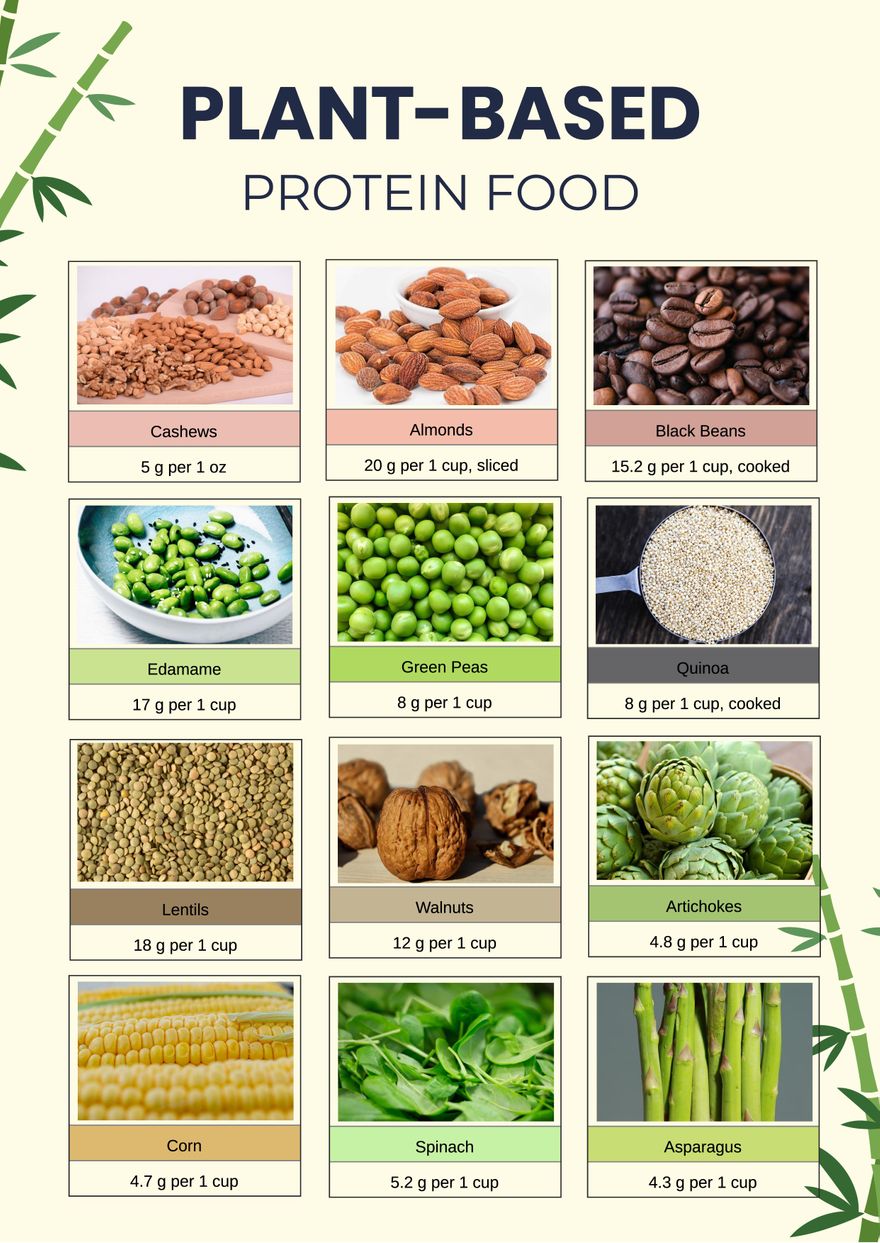
Not all plant-based protein sources are created equal when it comes to nutritional value. Legumes, such as lentils, chickpeas, and black beans, are rich in protein, fiber, and essential vitamins and minerals. Whole grains, nuts, and seeds are also excellent sources of plant-based protein and fiber.
But what about plant-based protein sources that are highly processed? Research suggests that excessive processing can rob plant-based protein products of their nutritional value. According to Dr. Christopher Gardner, a Stanford University nutrition expert, "The nutritional benefits of plant-based protein rely heavily on the source material. Whole grains, legumes, and nuts are generally better bets than highly processed products."
Protein-Rich Plant-Based Burger Alternatives
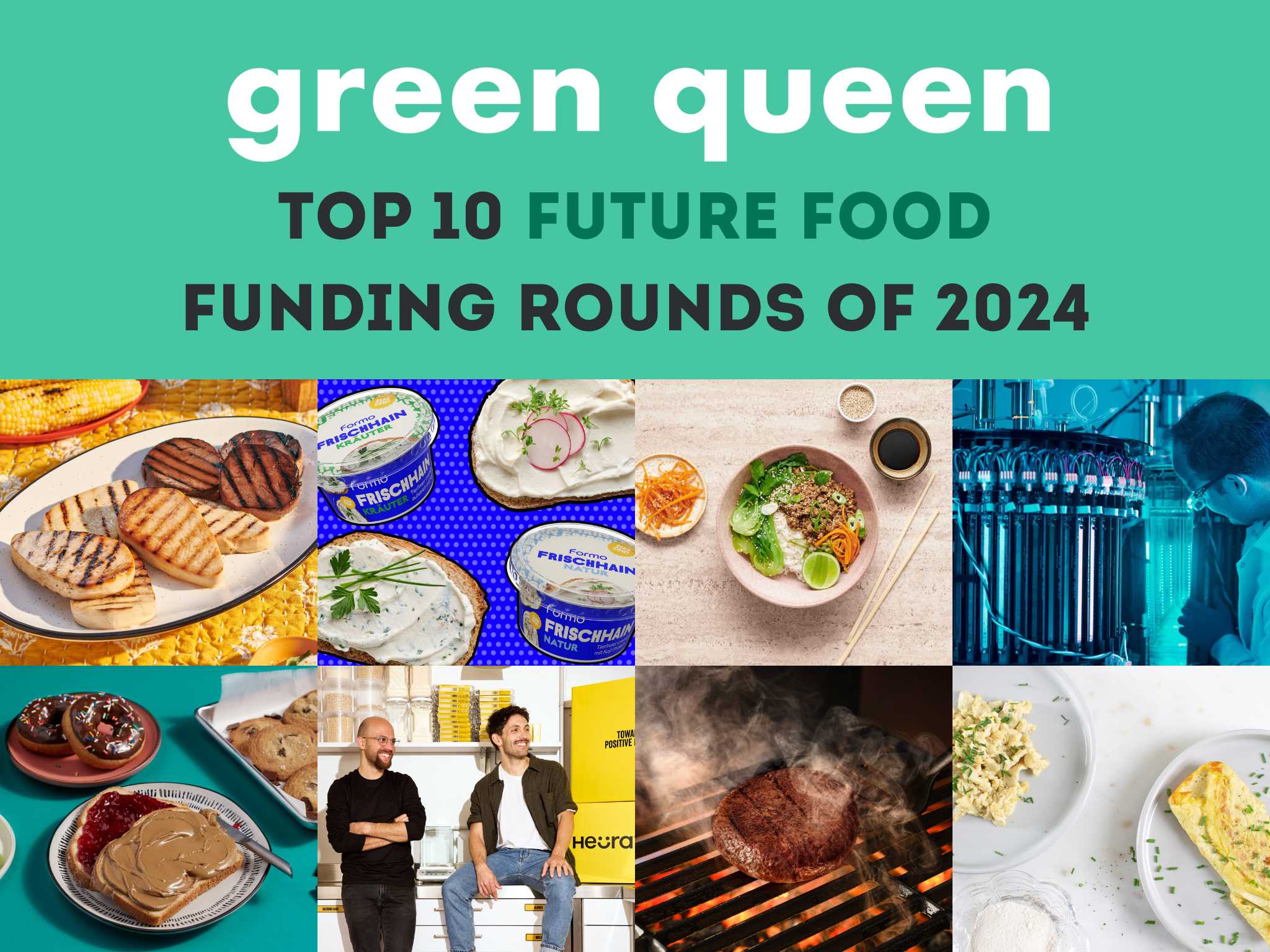
Meat alternatives have become increasingly popular in recent years, with companies like Beyond Meat and Impossible Foods leading the charge. These products mimic the taste and texture of meat while offering a plant-based alternative.
But what makes these products so convincing? The secret lies in the use of protein-rich pea, rice, and soy proteins, which provide a meaty texture and flavor. According to a report by FoodEngineering, the global market for meat alternatives is expected to reach $60 billion by 2025, driven by growing demand for healthier and more sustainable food options.
Innovations in Plant-Based Protein
The plant-based protein industry is rapidly evolving, with innovations in production methods, ingredient sourcing, and product formats. Companies are exploring new ways to produce plant-based protein, using technologies like fermentation, precision agriculture, and 3D printing.
Identifying key trends in plant-based protein, Michael Hayes, a food industry expert, noted, "We're seeing significant advancements in plant-based protein production. Companies are adopting more sustainable and efficient methods, leveraging technologies like fermentation to create high-protein plant-based foods."
The Future of Plant-Based Protein
As the demand for plant-based protein continues to grow, the industry is poised for further innovation and growth. Companies are responding to consumer concerns about sustainability, nutrition, and affordability, developing products that meet these demands.
According to a report by Mintel, plant-based protein will become increasingly mainstream, with 34% of consumers in the United States already purchasing plant-based products. With its potential to reduce greenhouse gas emissions, promote sustainable agriculture, and offer healthier food options, plant-based protein is poised to revolutionize the food industry.
By examining the benefits, challenges, and innovations driving the plant-based protein industry, we gain a deeper understanding of the opportunities and obstacles shaping the future of food. As consumers, businesses, and policymakers continue to navigate the complexities of plant-based protein, one thing is clear: the future of food is plant-based, and its potential for transformative change is vast.

Related Post

Uncover Hidden Truths: A Comprehensive Guide to Fort Worth Warrant Check

Unveiling the Enigmatic Tyler, TheCreator: The Story Behind the Adopted Child

The Hidden Dangers of Bulge in the: Understanding the Impact of Excessive Waist Expansion on Health and Fashion

The Bx19: A Comprehensive Guide to the Bronx's Busy Bus Route


